
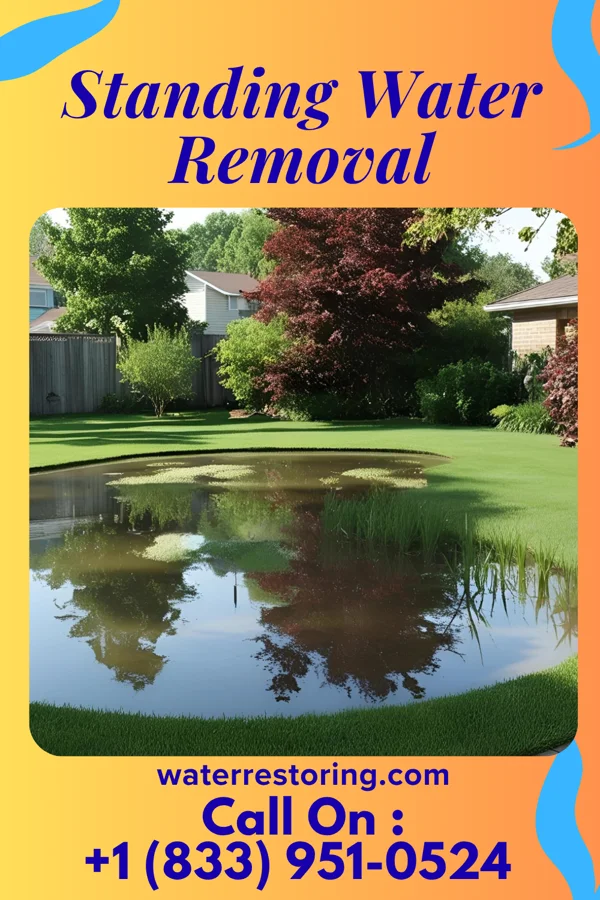
Ground-Water Standing Water in Bayshore
Water damage in Bayshore tends to cluster in predictable windows because of the local climate. In Bayshore, North Carolina, the primary water damage cause is often due to heavy rainfall and flooding from nearby waterways, particularly during the late spring and early summer months. The area's low-lying geography and proximity to the Intracoastal Waterway make it vulnerable to storm surges and tidal flooding, especially during hurricanes or severe weather events. A close second is Secondary causes include leaking plumbing systems in older homes, burst pipes during freezing temperatures, and water intrusion from nearby properties. Additionally, the region's high humidity contributes to condensation and moisture buildup in poorly ventilated spaces..
Bayshore's coastal climate brings frequent high humidity, heavy rainfall, and occasional flooding, which increases the risk of water damage. The area's proximity to the Atlantic Ocean also means that saltwater intrusion can occur during extreme weather events, complicating water restoration efforts.
Bayshore's coastal climate brings frequent high humidity, heavy rainfall, and occasional flooding, which increases the risk of water damage. The area's proximity to the Atlantic Ocean also means that saltwater intrusion can occur during extreme weather events, complicating water restoration efforts. The dominant local driver is In Bayshore, North Carolina, the primary water damage cause is often due to heavy rainfall and flooding from nearby waterways, particularly during the late spring and early summer months. The area's low-lying geography and proximity to the Intracoastal Waterway make it vulnerable to storm surges and tidal flooding, especially during hurricanes or severe weather events., with Secondary causes include leaking plumbing systems in older homes, burst pipes during freezing temperatures, and water intrusion from nearby properties. Additionally, the region's high humidity contributes to condensation and moisture buildup in poorly ventilated spaces. showing up as the next most common cause. Damage builds in stages. Spread. Absorption. Microbial growth. Structural compromise. Every stage you pass through adds to the final bill.